After years of high-stakes battles, moral dilemmas, and internal struggles, Kaiju No. 8 concludes with Chapter 129 — marking the end of Kafka Hibino’s journey and humanity’s war against the evolving kaiju threat. The manga closes not just with a battle, but with a message about identity, sacrifice, and what it truly means to protect others.
Here’s a full breakdown of the ending, Kafka’s final moments, the fate of Kaiju No. 9, and what becomes of the Defense Force in the world after the kaiju.
Final Battle Recap: Kafka vs. Kaiju No. 9
The climax centers around Kafka Hibino, in his refined Kaiju No. 8 form, facing off against the fully evolved Kaiju No. 9. No. 9 had become a grotesque fusion of multiple kaiju cores and consciousness, aiming to replace humanity and crown himself the next dominant species.
In the final moments, Kafka unleashes his ultimate attack — one not born from rage, but from absolute resolve. With help from memories of Mina, Kikoru, Reno, and others, he channels all remaining power into one final strike that destroys No. 9’s core from within.
The battlefield falls silent.
Did Kafka Survive? His Fate Confirmed
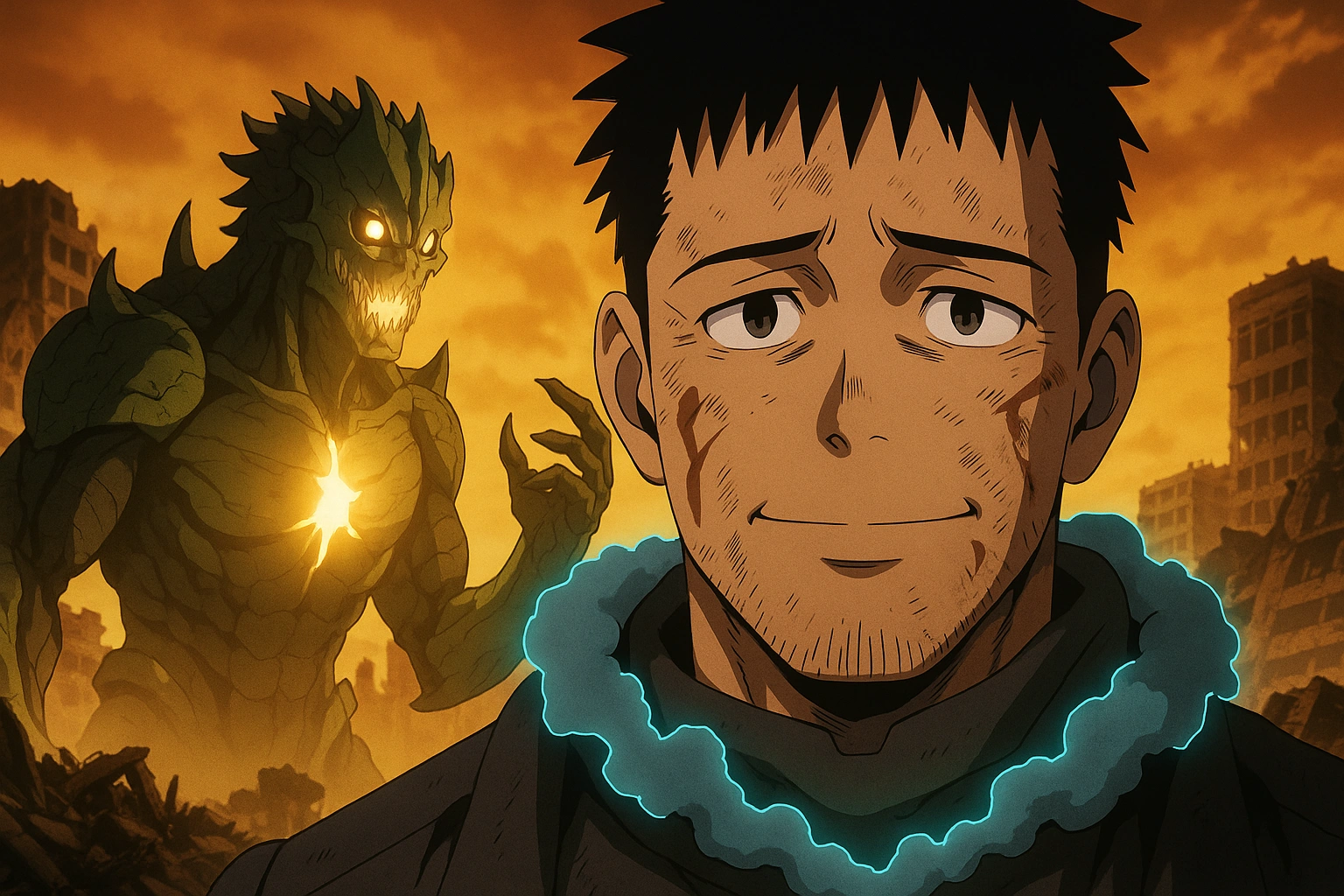
Yes, Kafka survives, but his kaiju powers are completely depleted. The parasitic organism that allowed him to transform is destroyed in the explosion that kills Kaiju No. 9. For the first time since Chapter 1, Kafka is fully human — no longer Kaiju No. 8.
Though heavily injured, he is found alive among the rubble by Mina Ashiro and medical staff. His body is scarred, exhausted, and broken — but he’s smiling. His mission is complete.
How the World Changes After the Final Battle
With No. 9 defeated, the numbered kaiju cease to exist. The threat to humanity ends. The Japanese Defense Force begins decommissioning kaiju weapon suits and shifting toward disaster prevention and rebuilding infrastructure.
Several scenes show cities being reconstructed, displaced civilians returning, and a new peace settling over the land. This victory doesn’t erase the scars of war — but it gives the next generation a clean slate.
Kafka’s Legacy: A Monster Who Chose Humanity
Kafka Hibino’s story is remembered across Japan and beyond. Though once feared as Kaiju No. 8, he is now hailed as the one who saved the world. His name is no longer associated with destruction — it becomes a symbol of hope, bravery, and human resilience.
In the final scenes, Kafka is seen working alongside recovery teams, not as a soldier, but as a civilian who still believes in protecting others. He’s no longer in the spotlight, no longer carrying monstrous strength. And yet, his heroism is more profound than ever.
Mina Ashiro’s Final Moments With Kafka
In a quiet and powerful scene, Mina visits Kafka during his recovery. She says little — only offering a calm “Welcome back.” But the emotional weight in that moment is undeniable.
The bond between them is no longer defined by childhood promises or military hierarchy. It’s built on mutual respect and understanding of everything Kafka endured. While the manga never turns their connection into overt romance, their final moment suggests deep emotional closure.
The Final Chapter’s Themes: Humanity, Sacrifice, and Identity
Kaiju No. 8 ends not just with physical resolution, but emotional truth. Kafka’s arc shows that heroism is not about perfection, power, or even being human — it’s about the choices we make when everything is on the line.
His journey closes with several core themes resolved:
- Identity: Kafka no longer struggles with being “too weak” or “too monstrous.” He accepts who he is — flaws and all.
- Sacrifice: He’s willing to lose everything — power, status, even his life — to protect others.
- Redemption: From janitor to the world’s protector, Kafka earns not just strength, but peace.
What Happens to Other Characters?
Kikoru Shinomiya
Now a rising leader in the new Defense Force structure, Kikoru trains the next generation of protectors. She wears her father’s legacy with pride, but now follows Kafka’s ideals of selfless defense.
Reno Ichikawa
Reno continues his training and emerges as one of the most promising young soldiers. Inspired by Kafka’s journey, he vows to lead with compassion rather than just strength.
Gen Narumi
Narumi becomes commander of Defense Force operations. Though still eccentric, he expresses deep gratitude for Kafka’s role, subtly showing how much he changed over time.
Is There a Time Skip?
Yes, the final few pages feature a brief time skip — showing a peaceful Japan free of kaiju terror. Kafka works as a safety officer at a new kaiju research facility, not for combat, but to ensure no threats return. It’s a quiet, simple life — exactly what Kafka longed for at the beginning.
FAQs About the Ending
Is Kaiju No. 8 over?
Yes. The manga ends with Chapter 129, concluding Kafka’s arc and the central kaiju war.
Will there be a sequel?
As of now, no sequel or spin-off has been announced. The ending provides full narrative closure.
Does Kafka lose his powers?
Yes. His kaiju core is destroyed during the final battle, returning him to human form permanently.
Does Mina ever confess her feelings?
Not directly. Their relationship remains emotionally deep but non-romantic. However, their final moments suggest mutual respect and emotional reconciliation.
Conclusion: A Fitting End for an Unlikely Hero
Kaiju No. 8 ends on a note of quiet triumph. Unlike many shonen protagonists, Kafka doesn’t ascend to godhood or power. He sacrifices everything and walks away with scars — but also peace, purpose, and freedom.
Kafka Hibino proves that being a hero isn’t about being invincible. It’s about standing up when no one else can. In doing so, he becomes not just the savior of humanity — but the heart of the series.